Make a small team’s next handoff easier.
Keep the request, its sources and the next responsibility in one understandable flow. OrgRelay helps teams of 10–50 people start with a familiar process and make role changes clear when colleagues share responsibilities.
Put the context colleagues rely on beside the assignment.
The goal-and-task design identifies the result and recipient. The AI Chief connects its contributions, while the owner’s page clarifies the choices retained by the business owner. One person can fill several roles, with the responsibility at each step stated explicitly.
Monday: choose a recurring client handoff.
An 18-person project team wants a reviewed client summary by Friday. The Operations Agent organises the current sources and open questions; the Sales Agent gathers confirmed requirements. The team lead agrees the result and receiving conditions with the colleagues involved.
Pick a first loop with a recognisable endpoint.
Use the solution overview to find a relevant process and the resource guides to write its brief. The company knowledge design retains the applicable references; the approval design states the decision that follows review. Start with one result the team already knows how to judge.
A short operating loop with explicit responsibilities
Keep the work understandable for a colleague covering the role.
The dashboard concept shows the version, waiting condition and next person. The employee workflow explains what a colleague needs to accept the assignment, and the manager’s page helps the supervisor agree the sequence and available support.
Wednesday: an additional request needs a named decision.
The exception workflow connects the new condition to the affected work. The professional-services scenario concerns scope changes; a quotation review concerns supplier terms; an order-enquiry handoff concerns the order and service context. Use the receiving roles that fit your actual process.
Keep a change of role clear even when the person stays the same.
A Finance Agent helps with record questions, an HR Agent helps with onboarding and a Procurement Agent helps compare terms. The trust principles connect each contribution to a human reviewer and a clearly authorized next step.
| Prepared by AI or colleague | Checked by team lead | Reserved to owner or designated authority |
|---|---|---|
| Assemble the working material | Relevant colleague checks the basis | Named reviewer accepts its intended use |
| Adjust the delivery proposal | Team lead assesses the impact | Authorized person accepts the commitment |
| Request additional expenditure | Responsible colleague supplies the context | Designated approver decides |
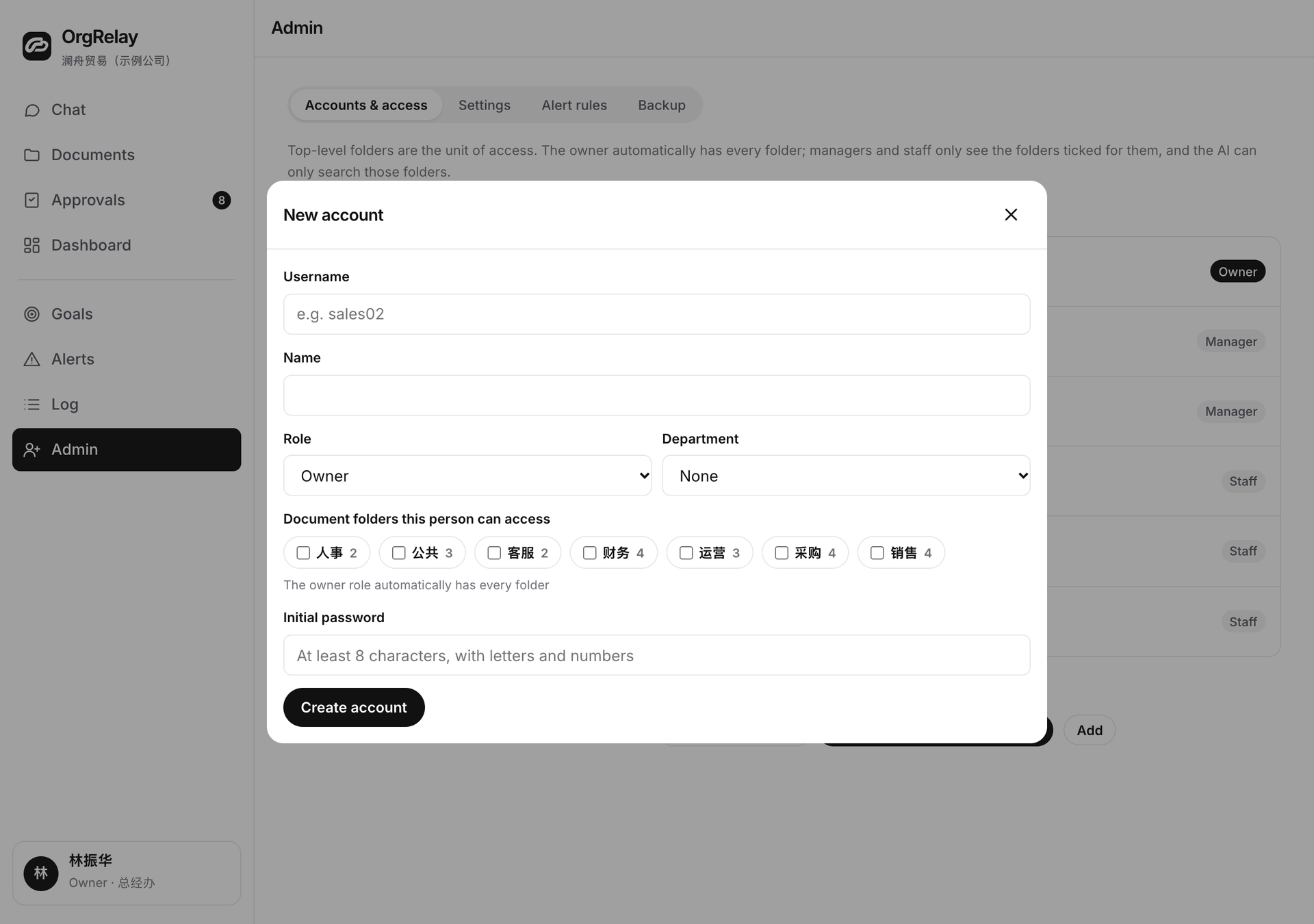
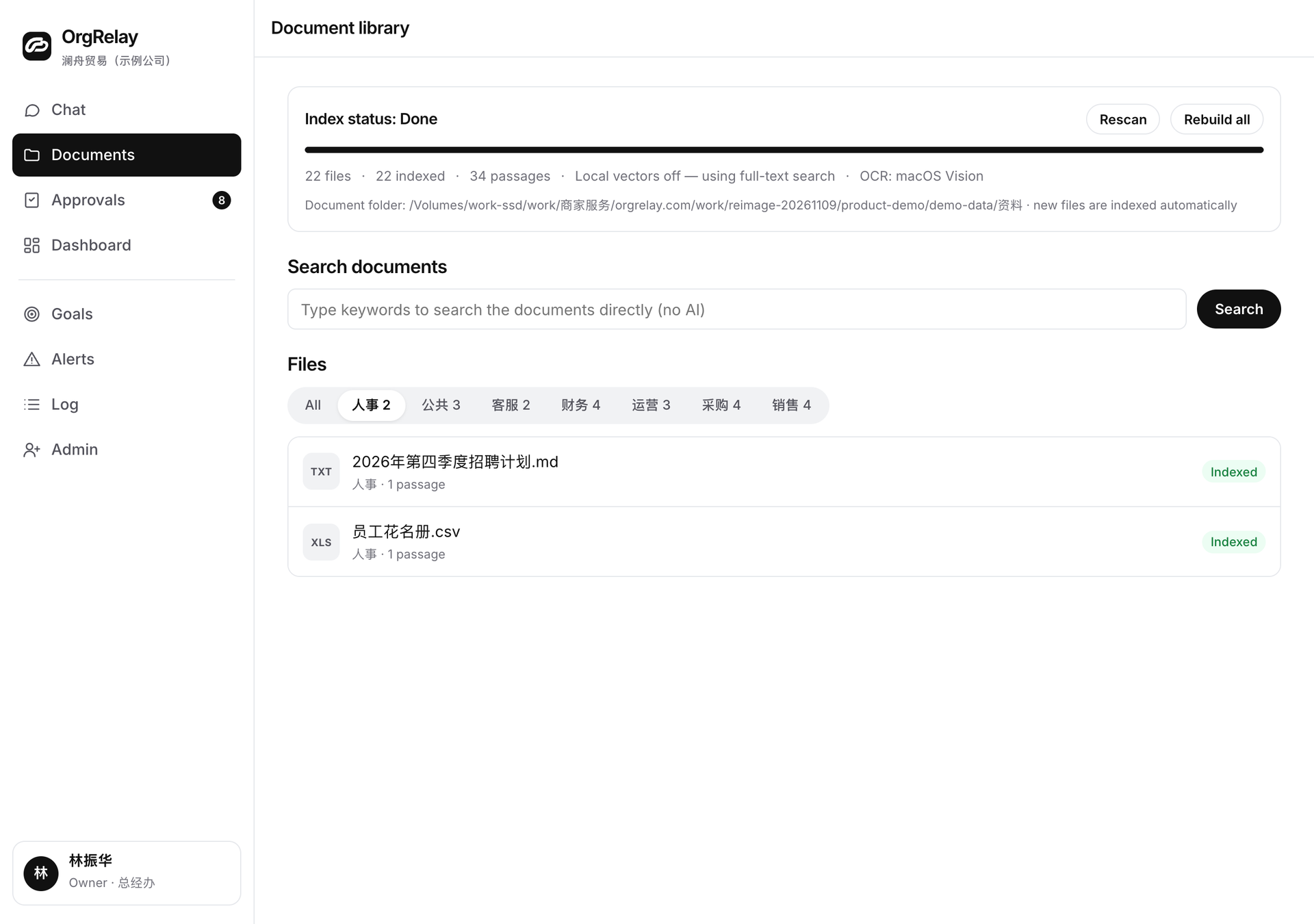
Select the sources this review actually needs.
Use the security page when discussing the permitted audience. Identify the material, its purpose and the colleague who can explain it. The integrations specify any connection requirements. A receiving colleague should know which reference applies and which question remains open.
Friday: improve one condition that made the work harder to receive.
Review the accepted summary, changes and next actions. Choose a concrete improvement to the request, source list or review responsibility. The growing-company scenario offers a path for adding cross-team receiving conditions as the coordination needs change.
Test a change of person and a returned contribution.
Ask a covering colleague to continue from the brief, then ask the reviewer to request a specific revision. Compare plans against the roles involved. The company-interest preview and demo page help you describe the first workflow and the support it needs.
Questions, answered.
What is a good first process for a small team?
A recurring handoff with a clear result, selected sources and a colleague able to review it.
How do shared roles work?
State which responsibility a person is using at each step and what they are entitled to decide.
How should cover be arranged?
Hand over the current version, relevant basis, outstanding question and agreed receiving responsibility.
When should the scope grow?
After the people involved can explain the result, source basis and decision path of the first loop.