A useful handoff starts with the next person.
A recipient can continue the work when the result, its purpose, and its open questions are clear. Agree what they need, send the relevant context, and ask them to state what they accept.

Agree the contribution that is crossing the boundary.
The handoff template helps separate an information transfer from acceptance of work. A manufacturing scenario can involve distinct planning, quality, and delivery responsibilities, each following the company’s procedures.
Ask what the recipient needs to do next.
The goals-and-tasks workflow, manager scenarios, and team participation guide help name the output, intended use, and person responsible for receiving it.
Send the current result and the context that matters.
Keep applicable terms, source status, accepted sections, and open questions easy to find. The source-context article and company knowledge workflow support Sales and Operations assignments with different recipients.
| Handoff element | Information to carry | Useful detail |
|---|---|---|
| Current result | Applicable version | Reason for a revision |
| Review performed | Checks and responsible person | Source used for the check |
| Open question | Missing answer and owner | Effect on the next task |
| Next action | Specific request and recipient | Authority and conditions |
Describe the missing contribution precisely.
A task may need a confirmed quantity, a source interpretation, or an authorized date. The exception workflow, AI Chief, and exception note route that question to its owner.
A handoff viewed from both sides
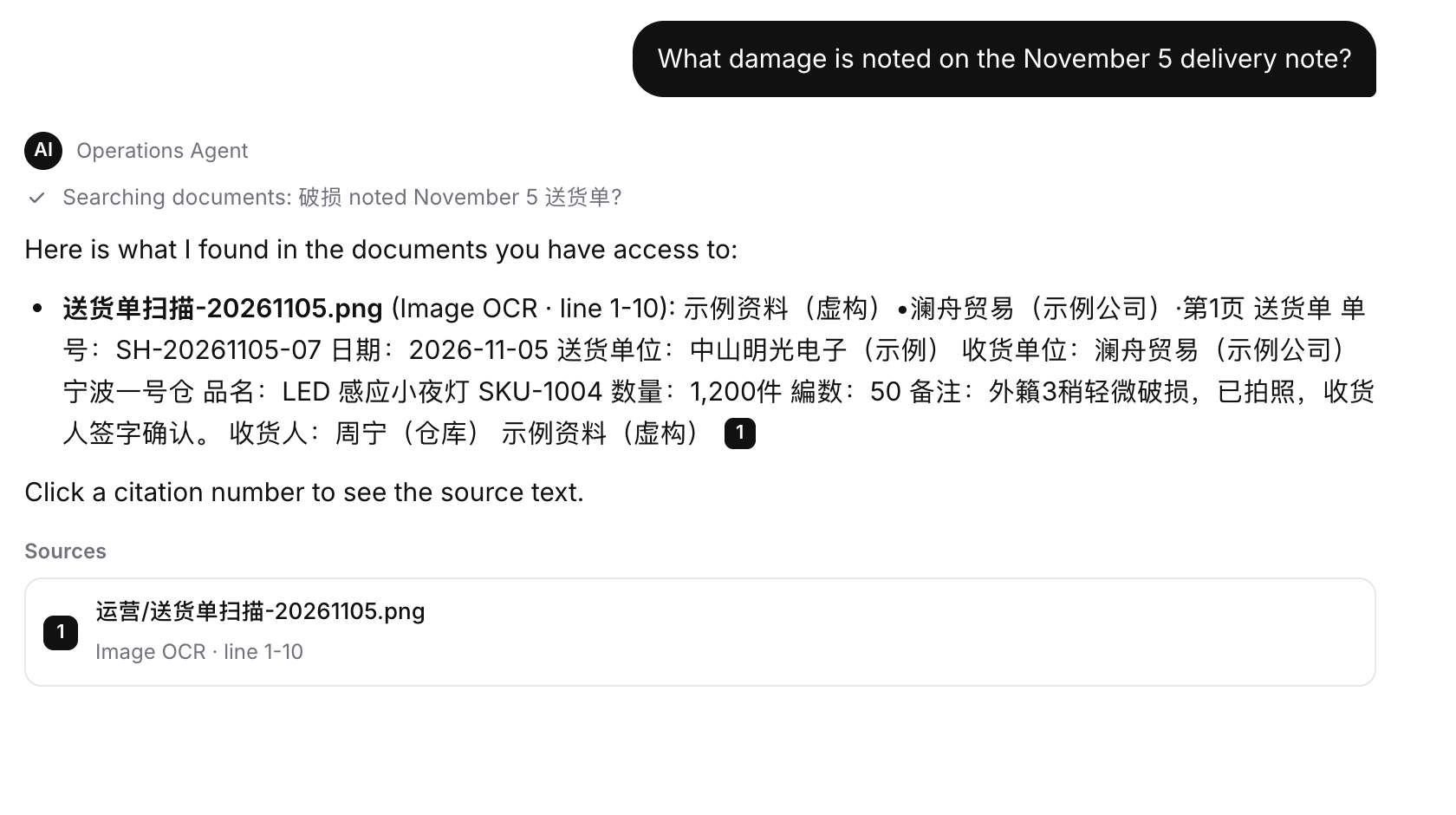
Keep authority explicit as the work moves.
The approval workflow identifies consequential decisions. Procurement and Finance provide relevant sources, while an approval packet states the action and conditions requested.
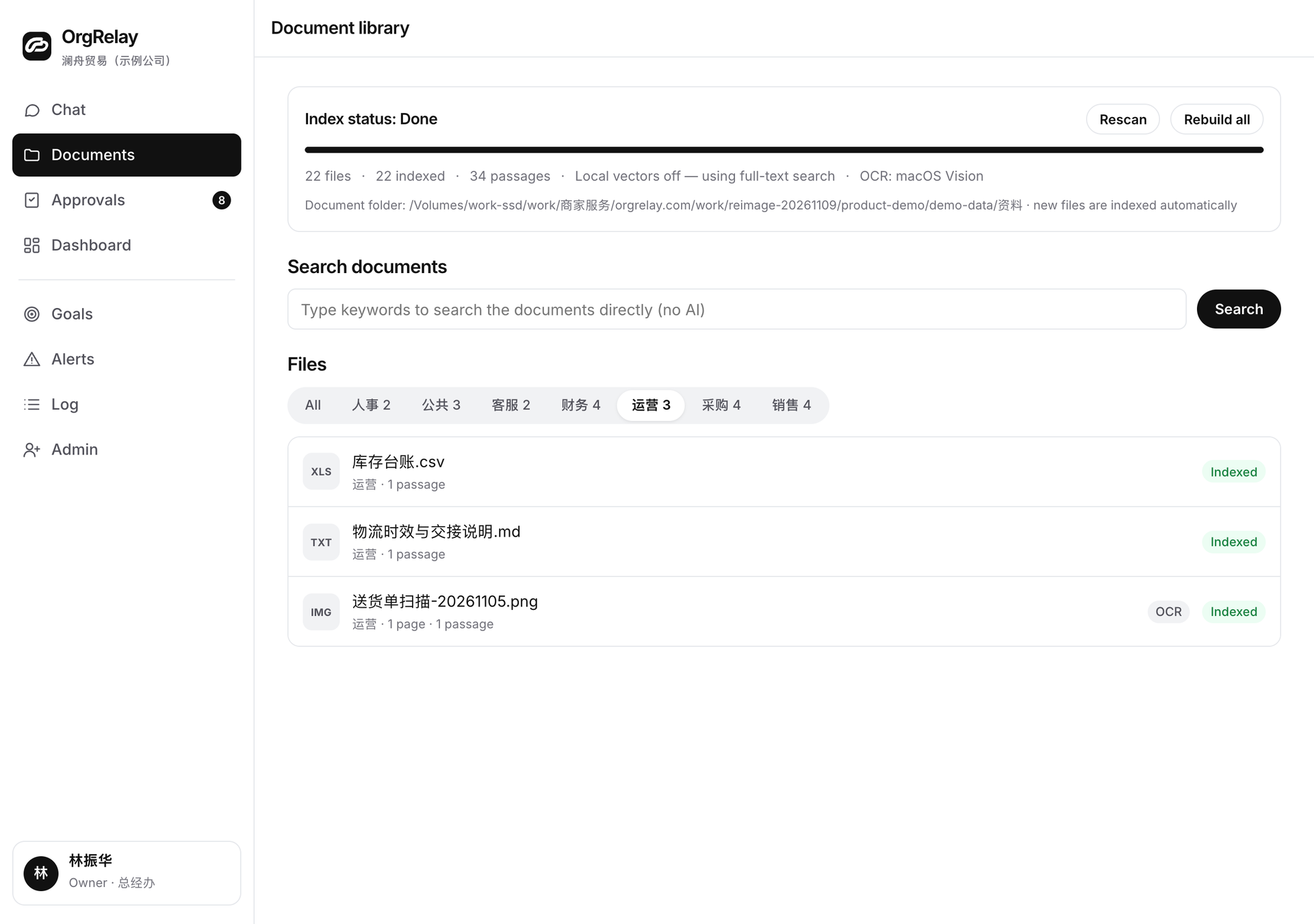
Trace one changed condition through the week.
Sales supplies a requirement on Monday. The planner asks about a date midweek. Its owner clarifies the status, and the recipient reviews the updated packet. The dashboard shows the next responsibility and any remaining question.
- 01
Monday · clarify the contribution
Sales names the requirement and the input the planner should verify.
- 02
Tuesday · prepare the current view
The summary distinguishes established conditions and questions needing confirmation.
- 03
Wednesday · show the changed input
The coordinator identifies affected tasks and the person holding the answer.
- 04
Thursday · review the consequence
The manager checks the revised material and routes the commitment decision.
- 05
Friday · hand over the decision
The next recipient receives the current result, conditions and responsibility.
Make a returned result useful to its preparer.
Identify the section, missing information, and reason it matters. The first goal guide, Agent brief, and exception-review article help connect the correction to the agreed result.
Start with a boundary both teams understand.
Ask each side to describe the result and its acceptance conditions. Use the weekly goal brief to record the agreement, then review information guidance and integration requirements for the sources involved.
Questions, answered.
What should the handoff contain?
The current result, its purpose, sources, recipient, open questions, and next action.
How should acceptance be recorded?
Name the sections sufficient for a specified use and the questions that remain.
What makes a correction actionable?
It states the affected section, needed information, and reason for the change.
How should replacement staff receive work?
Transfer the current sources, status, questions, and scope of responsibility.