An answer helps a person. A plan connects the people involved.
Choose AI assistance around the job you need to do. A conversation can help you draft or understand something; coordinating company work also connects responsibilities, sources, handoffs, and decisions.

Start with the kind of help the task needs.
A project lead may use a conversation to summarize notes for their own reading. A delivery involving several colleagues also needs named contributions and acceptance. The AI Chief page and product overview explain that coordinating role.
Agree the result before asking for a plan.
A company might need a delivery summary that helps a manager decide the next action. The goals-and-tasks workflow, first goal guide, and company setup guide help identify the output and recipient.
Give specialists a defined contribution.
A Sales Agent can organize customer requirements, an Operations Agent can assemble the handoff, and an HR Agent can help with a role-related assignment. The Agent brief sets the sources and finish for each.
| Preparation role | Contribution | Human question retained |
|---|---|---|
| Sales | Draft follow-up material | What may the company promise? |
| Operations | Organize the current handoff state | Who accepts the next responsibility? |
| HR | Prepare guidance-based steps | Which people decision is authorized? |
Carry the context into the shared result.
The company knowledge workflow and source-context article preserve status, scope, and ownership. The handoff template gives a later recipient enough information to continue.
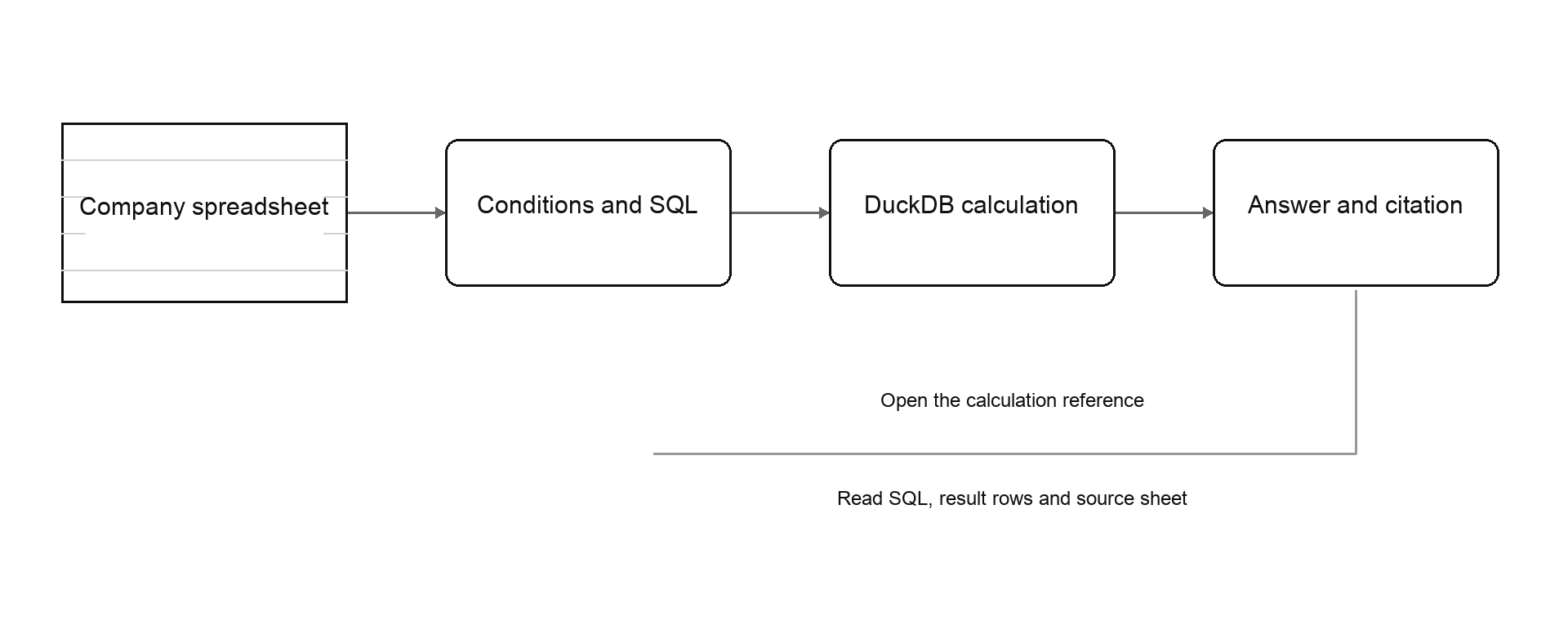
Different questions to evaluate
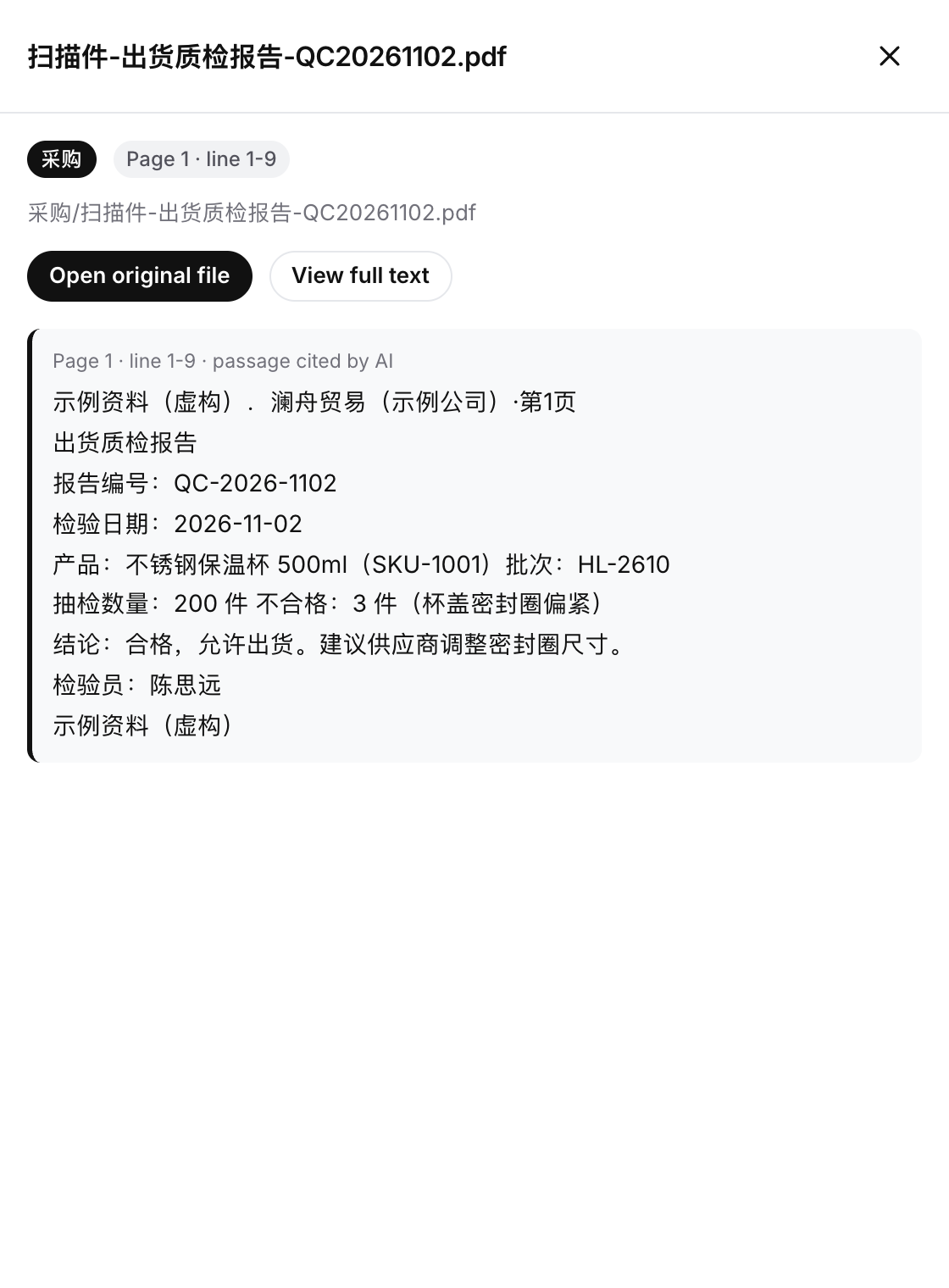
Follow a changed request through the week.
The lead agrees scope on Monday. A customer clarification changes one section midweek. The manager identifies affected tasks and reviews the revised result. The dashboard shows the current question and next responsible person.
- 01
Monday · define delivery
The owner and manager agree the result and resolve scope questions.
- 02
Tuesday · assign contributions
Each person or Agent receives an output, recipient and source set.
- 03
Wednesday · handle a change
The coordinator identifies affected work and asks the project owner for a decision.
- 04
Thursday · review the packet
The manager checks the current sources, wording and requested action.
- 05
Friday · carry the state forward
The next owner receives the result, decision and remaining responsibility.
Make consequential choices explicit.
The approval workflow and approval packet identify the requested action, sources, and conditions. The exception workflow brings questions outside the assignment back to an authorized person.
Choose a real coordination question to discuss.
Try a source change, an unavailable reviewer, or a returned draft. Use an exception note to record the next step. Review information guidance and integration requirements as the source set and recipients grow.
Questions, answered.
When is chat assistance useful?
When a person needs a draft, summary, or explanation they can review for their own task.
What does coordination add?
Named responsibilities, source context, handoffs, reviews, and decisions across people.
How do specialist Agents fit?
They contribute defined outputs to the shared plan.
Who holds company authority?
The people authorized to make the relevant decisions.