Put the decision at the top of the packet.
The reviewer can decide more clearly when the requested action and its conditions are easy to find. State the question, present the relevant options, and explain who will act on the answer.
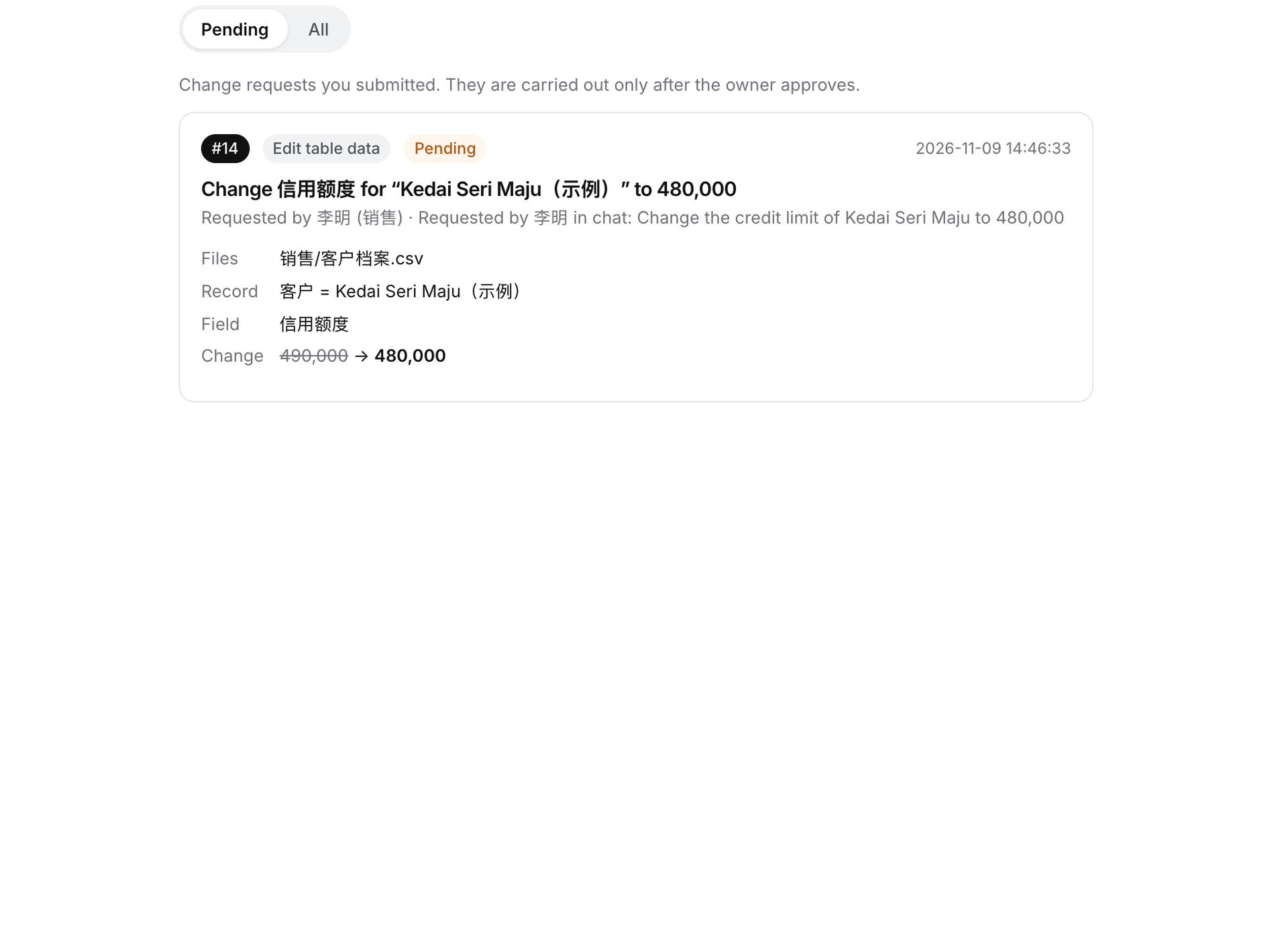
Write the action the answer would authorize.
The approval workflow connects the request to a person. A Procurement Agent can help assemble the comparison, while the goal brief states the intended result.
Copy the packet for a specific choice.
Use the company setup guide and team participation guide to name owners. Check the information guidance as you choose attachments.
DECISION REQUEST: NEXT STEP FOR A SUPPLIER OPTION
Requester: purchasing manager. Decision owner: the person authorized for the relevant commitment. Executor: named colleague responsible for the next step.
Question: may the proposed option proceed within the requirement and conditions described here?
Basis: identify the agreed requirement, selected quotations, their status, and source owners. Show each relevant option, material differences, and questions still needing clarification.
Recommendation: state the preferred next action and its source-backed reasons. Keep unresolved conditions visible. Define the scope, the person allowed to act, and conditions to be checked first.
Record the answer as approval with conditions, a specific correction, or a request for information. Carry the decision and remaining questions into the next task. Revisit the basis when requirements or sources change.
Label source facts and your recommendation separately.
The source-context article helps keep interpretation clear. A Sales Agent may summarize customer terms; HR work may require a role or access decision. Give each its relevant basis.
Show the differences that matter to the decision.
Use the company knowledge workflow to reference sources. A Finance Agent helps prepare supporting records, and an exception note keeps unanswered conditions visible.
| Answer | What to record | Next responsibility |
|---|---|---|
| Approve | Action, version and conditions | Executor checks the conditions |
| Hold | Missing answer and owner | Source owner provides clarification |
| Return | Specific correction and reason | Preparer revises the packet |
| Decline | Decision and applicable reason | Process owner agrees the next step |
Make a material revision visible.
The approval boundaries article explains scope. The handoff template and AI Chief carry the current decision and conditions into the next task.
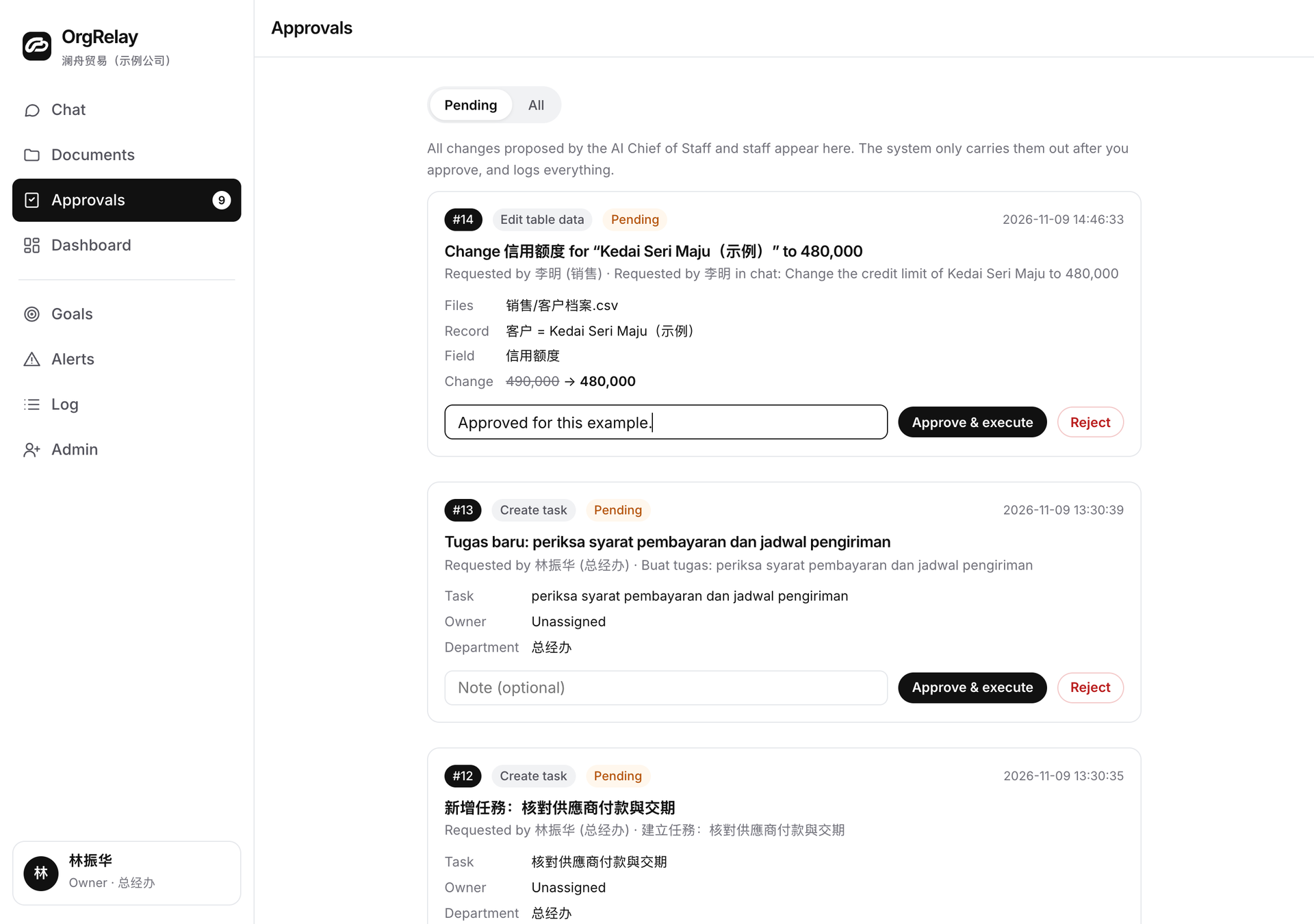
What the reviewer needs before deciding

Read the request from the reviewer’s position.
Can they identify the action, basis, conditions, and executor? Use an Agent brief for assistance. Review integration requirements and plan scope, or share context through the company form.
Questions, answered.
What should appear first?
The action you are asking the reviewer to authorize.
What makes options useful?
They show relevant differences, source support, and conditions that affect the choice.
How should a conditional answer be recorded?
Name the approved action, the conditions, and the person checking them before execution.
What happens after a source changes?
Ask the authorized reviewer whether the original scope and basis still apply.