Keep company direction connected to decisions.
See which outcomes are moving and which choices need your attention. OrgRelay connects a manager’s proposal to the work, sources and consequences behind it, so you can decide with context.
Turn a busy update into a useful decision.
A company goal gives the team a result to pursue. The management dashboard design shows where that result needs a source, a review or a choice. The AI Chief connects those questions to the manager responsible for moving them forward.
Monday: state the outcome and the choices you retain.
A 45-person equipment distributor is reviewing a new customer supply proposal. The Procurement Agent organises quotation terms, while the Sales Agent assembles the customer requirements. The owner defines the commercial priorities and the approval boundary for exceptions.
Give managers room to act with clear limits.
The managers’ scenario covers everyday coordination; the employees’ scenario covers what colleagues need to accept an assignment. The Operations Agent carries open dependencies between them. Name the decisions a manager may take and the circumstances that bring a proposal back to you.
Ask for the proposed action before opening the attachments.
A decision packet states the choice, its consequences, the manager’s assessment and the conditions still needing confirmation. The company knowledge design preserves references; the product overview connects them to the task. You can accept a defined option or ask for a precise addition.
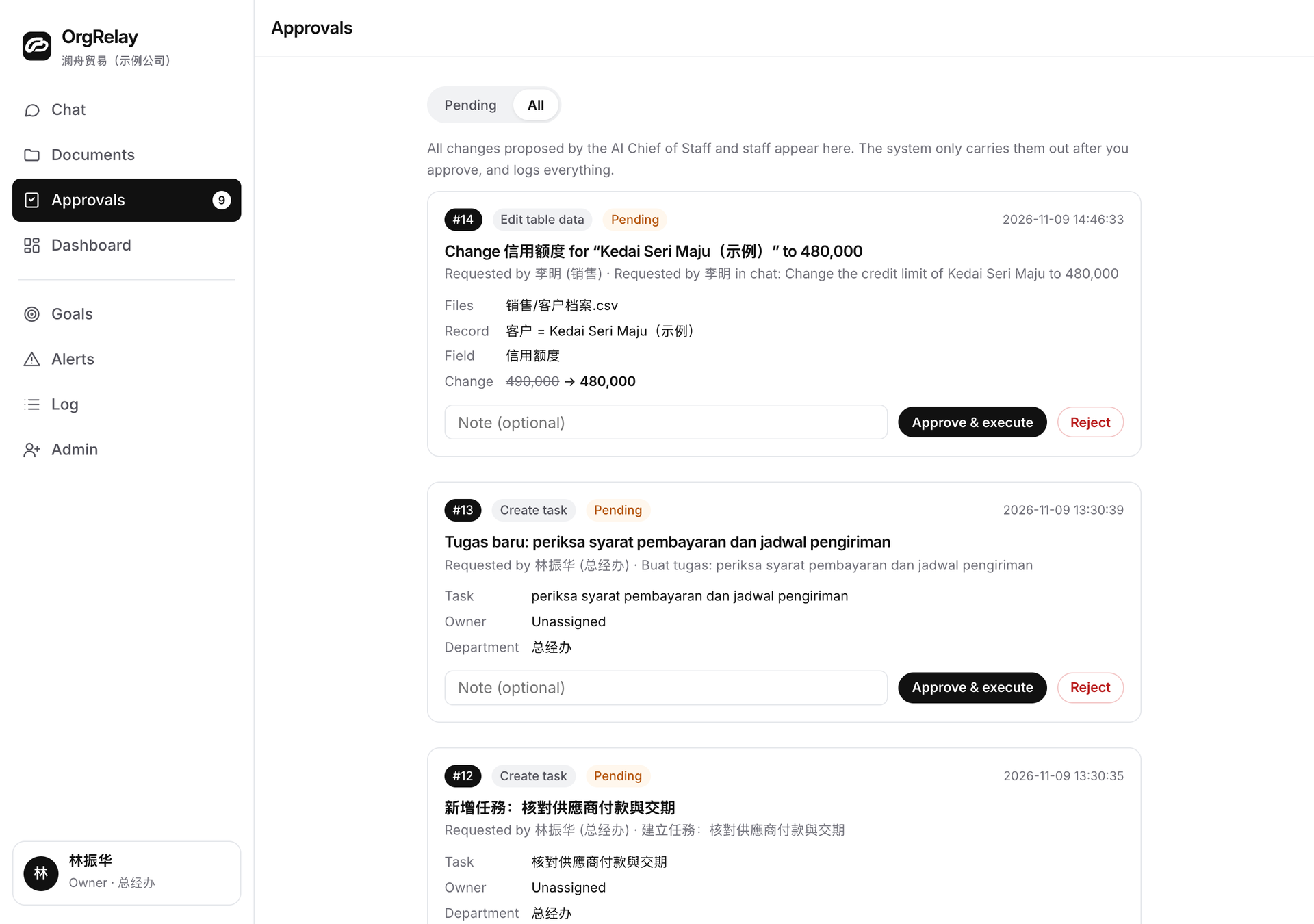
Put the next decision in front of the owner
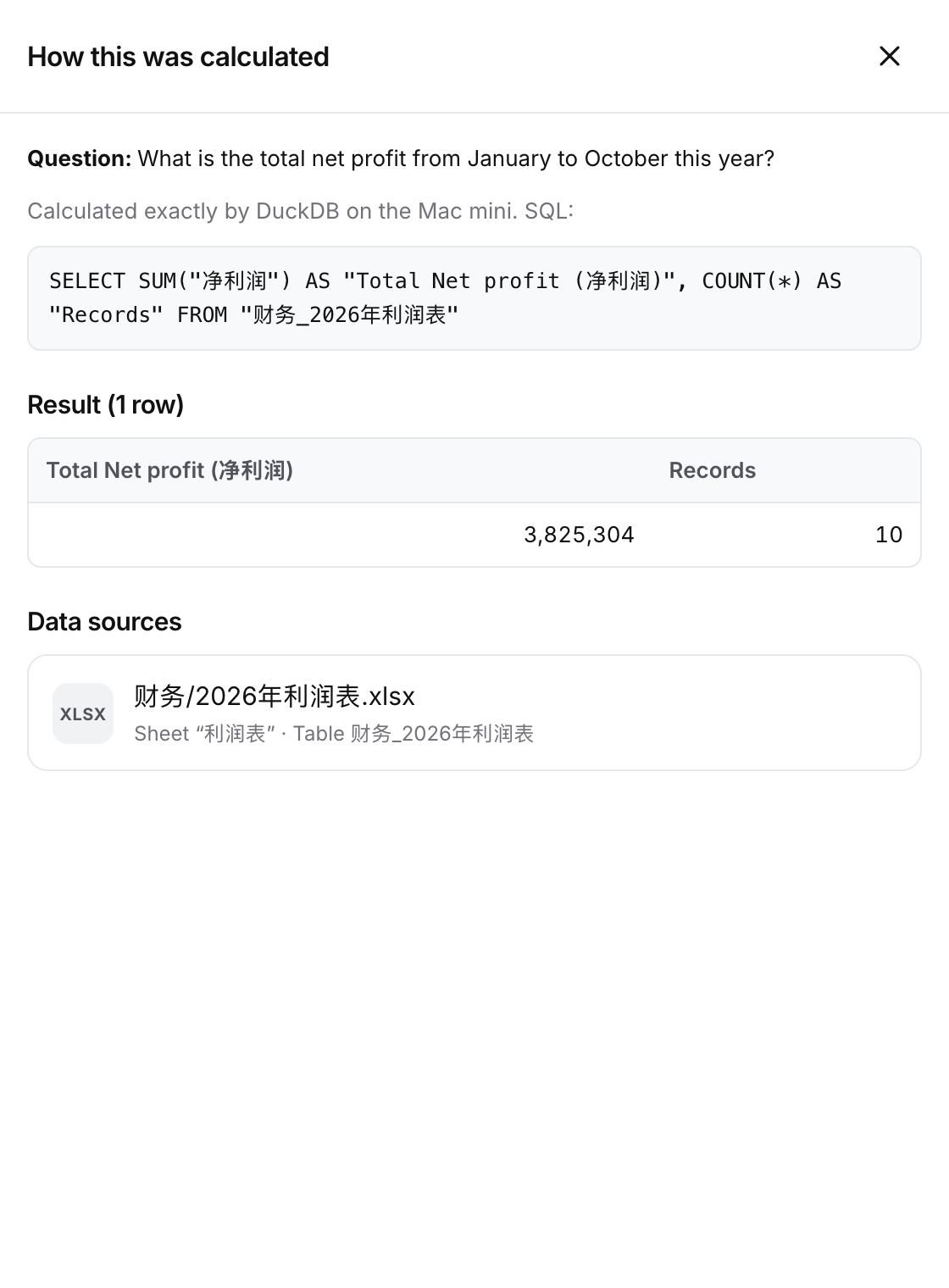
Wednesday: a supplier condition changes the available options.
The exception workflow identifies the affected proposal and customer draft. A Finance Agent gathers relevant cost questions; an HR Agent can clarify staffing inputs where they matter. The trust model keeps the resulting business choices with the appropriate people.
Make the permission as specific as the proposal.
Use the security notes when agreeing who needs the underlying material. Record the accepted version, the action and its applicable conditions so the manager can hand the decision to the next colleague.
| Preparation | Manager responsibility | Owner or designated reserved authority |
|---|---|---|
| Compare options | Manager checks the basis | Owner decides reserved commitments |
| Adjust shared priorities | Managers explain the trade-offs | Owner sets company direction |
| Propose additional spending | Responsible colleague supplies the context | Authorized person accepts the expenditure |
Friday: follow the decision into its next assignment.
Review the accepted proposal, the person taking the next action and any remaining question. The small-business page keeps the loop short; the growing-company page adds explicit receiving responsibilities across teams. Use the review to improve delegation for the following week.
Start with a choice your company already recognises.
The solution overview offers relevant processes and the resource guides help write the request. Compare plan scope and integration requirements against that workflow, then use the company-interest preview or demo to describe the decision you want to handle more clearly.
Make a deliberate hold useful to the team.
Sometimes the right decision is to gather another source or revisit the proposal after a named event. State the reason, the person completing the work and the condition for review. The team can continue the parts already covered by its mandate.
Questions, answered.
Which decisions should reach the owner?
The choices reserved by the company’s actual delegation, with a proposal and enough context to judge the consequences.
What should a manager bring?
The intended action, applicable version, checked sources, alternatives and conditions still requiring an answer.
How do I request a revision?
Name the missing information or changed assumption and assign the next review to an appropriate person.
What should a weekly review establish?
Which choices were made, who acts next and which questions need further work.